
Olive Oils & Balsamic
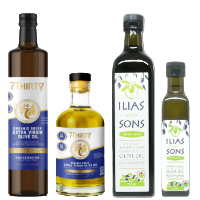

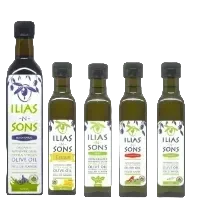

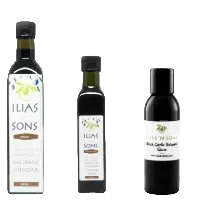

- Black Garlic Infused Extra Virgin Olive Oil - Low Fodmap
- Garlic Infused Extra Virgin Olive Oil
- Pizza Oil Cayenne Pepper Infused Extra Virgin Olive Oil
- Smoked Infused Extra Virgin Olive Oil
- Basil Infused Extra Virgin Olive Oil
- Rosemary Infused Extra Virgin Olive Oil
- Lemon Infused Extra Virgin Olive Oil
- Orange Infused Extra Virgin Olive Oil
- Black Truffle Extra Virgin Olive Oil
Olive Oil Soap: Castile Tradition, Everyday Uses & Skin-Care Tips


Olive oil belongs to more than the Mediterranean kitchen. It is also an ingredient in traditional soap, offering a connection between everyday cleansing and the olive-growing traditions we value at Ilias and Sons.
If you enjoy a straightforward ingredient list and an olive-oil-based cleanser, olive oil soap is worth exploring. The best choice, however, depends on the finished formula and how your skin responds, not simply the word “natural” on the label.
What is olive oil soap?
Olive oil soap is made by reacting olive oil with an alkali in a process called saponification. The reaction produces soap, which helps loosen oil and dirt so they can rinse away, and glycerine.
Solid soap is commonly made with sodium hydroxide; liquid soap commonly uses potassium hydroxide. The finished cleanser is not the same thing as applying cooking oil directly to your skin.
Castile soap is associated with vegetable-oil-based soap-making traditions. Because formulas differ, check the ingredient list rather than assuming that every product called Castile soap contains only olive oil.
Why choose an olive-oil-based soap?
Its appeal can be simple: an ingredient you recognise, a choice of liquid or bar formats, and a cleansing routine that suits your preferences. Lather and feel vary with the formula and water conditions. More bubbles do not automatically mean a better wash.
Olive oil's dietary reputation does not establish that a rinse-off soap delivers the same benefits. Claims about the vitamins, antioxidants or phenolics in the original oil should not be treated as proof of anti-ageing effects from the finished soap.
Our Greek olive oil liquid Castile soaps
Our liquid Castile soaps use our own organic extra virgin olive oil from Greece. Their product ingredient lists identify organic olive oil, water and potassium hydroxide, with lavender scent added to the lavender version.
Unscented Liquid Castile Olive Oil Soap
If you prefer to avoid added scent, explore our Unscented Liquid Castile Olive Oil Soap. An unscented formula avoids that particular addition, but it is not a guarantee against dryness or irritation.
Lavender scented Liquid Castile Olive Oil Soap
For those who enjoy a scented wash, our Lavender scented Liquid Castile Olive Oil Soap offers another option. Fragrance can be a concern for reactive skin, so choose according to your own tolerance rather than assuming that a botanical scent is universally gentle.
Prefer a bar?
Explore our Pure EVOO Soap — Small if a solid format better suits your routine. Check the product information and follow its directions.
Olive oil soap and sensitive skin: why pH matters
Traditional soap is alkaline, not exceptionally low in pH. That includes soap made from olive oil. The natural skin surface is mildly acidic, and alkaline soap can contribute to dryness or irritation, particularly with frequent washing.
DermNet's dermatologist-authored guide explains that soap-free cleansers, often called syndets, can be formulated closer to skin's natural pH and may be less irritating for sensitive skin.
If cleansing leaves your skin tight, itchy, flaky or uncomfortable, do not assume that those sensations mean the product is working. A fragrance-free, soap-free cleanser may be a better fit. Persistent irritation or an existing skin condition is a reason to seek advice from a qualified clinician.
Practical tips for everyday cleansing
- Follow the product's directions and use warm, rather than very hot, water.
- Work the cleanser gently in your hands instead of scrubbing a bar directly against delicate skin.
- Rinse thoroughly and pat dry.
- Use a moisturiser suited to your skin if washing leaves it dry.
- Stop using a product that causes irritation.
A cleansing product removes dirt and surface oils. It is not a substitute for a leave-on moisturiser, and it cannot promise permanently soft skin.
Can olive oil soap treat acne or reverse ageing?
An olive oil ingredient alone does not establish that a soap treats acne, reverses wrinkles or speeds skin-cell renewal. Nor does it guarantee that the finished formula will not clog pores.
For acne-prone skin, DermNet recommends looking for suitable non-comedogenic products. Avoid aggressive scrubbing and excessive washing, and use appropriate treatment advice rather than relying on soap as a cure.
What about makeup, eyes and children's skin?
Use a remover designed for the eye area to remove eye makeup, and keep soap out of your eyes. Do not assume that a product suitable for adult hands or body is suitable for an infant. Seek age-appropriate guidance for young children's skin or eczema-prone skin.
Can olive oil soap replace shampoo?
A body-cleansing soap should not automatically be treated as a shampoo. Its olive oil content does not establish benefits for hair growth or dandruff. Choose products intended for your hair and scalp, particularly if you experience irritation.
For a separate discussion of cosmetic use, read our olive oil for hair and skin guide. Topical oil and finished soap are different products, so guidance for one does not automatically apply to the other.
A tradition to enjoy, with realistic expectations
Olive oil soap can be an appealing part of an everyday cleansing routine. Its strongest story is the ingredient, the formula and the experience of using it, not a promise of eternal youth.
Choose the format and scent you enjoy, pay attention to your skin's response and explore the Greek olive oil connection behind our liquid Castile soaps. For local shopping options, visit Where to Find Us and check each retailer's current selection.
Further reading
DermNet: Soaps and cleansers explains soap-making, cleansing ingredients, pH, irritation and the differences between traditional soap and soap-free cleansers.
Leave a comment
Comments will be approved before showing up.