
Olive Oils & Balsamic
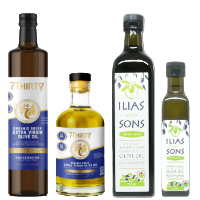

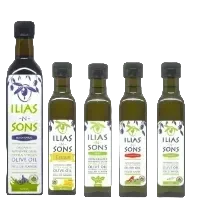

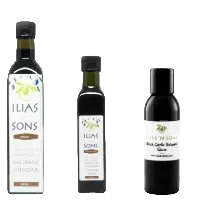

- Black Garlic Infused Extra Virgin Olive Oil - Low Fodmap
- Garlic Infused Extra Virgin Olive Oil
- Pizza Oil Cayenne Pepper Infused Extra Virgin Olive Oil
- Smoked Infused Extra Virgin Olive Oil
- Basil Infused Extra Virgin Olive Oil
- Rosemary Infused Extra Virgin Olive Oil
- Lemon Infused Extra Virgin Olive Oil
- Orange Infused Extra Virgin Olive Oil
- Black Truffle Extra Virgin Olive Oil
Olive Oil Research Update: Cooking, Heart Health & Emerging Findings


Olive oil research has moved on since our original 2018 news roundup. Extra virgin olive oil remains an important part of Mediterranean cooking, while newer studies have examined cardiovascular outcomes, dietary patterns and associations with brain health.
This update brings together research published through 2025 and revisits the four stories in our original article. The aim is to explain what researchers studied, what they found and how those findings differ from promises about an individual bottle.
1. Heart health: newer evidence looks at the whole diet
CORDIOPREV: a seven-year trial published in 2022
The CORDIOPREV randomised trial compared a Mediterranean diet with a low-fat diet in 1,002 people with established coronary heart disease. Over seven years, the primary cardiovascular outcome occurred in 87 participants assigned to the Mediterranean diet and 111 assigned to the low-fat diet.
The findings favoured the Mediterranean diet in this patient group. This was a dietary-pattern intervention, not proof that adding a spoonful of olive oil to an otherwise unchanged diet produces the same result. The study was conducted at one centre and most participants were men.
Read the 2022 CORDIOPREV trial.
A 2025 systematic review
A systematic review published in Nutrients in 2025 identified 17 clinical studies examining virgin olive oil, including extra virgin olive oil, and cardiovascular health. The authors reported favourable findings involving cardiometabolic biomarkers and cardiovascular outcomes, while calling for larger, multicentre clinical studies.
This supports continued interest in olive oil and its phenolic compounds. It does not establish that every oil, dose or harvest has identical effects, or that a retail product replaces prescribed care.
Read the 2025 cardiovascular systematic review.
PREDIMED remains important background
The revised 2018 PREDIMED report studied 7,447 older adults at high cardiovascular risk. Mediterranean diets supplemented with extra virgin olive oil or nuts were associated with fewer major cardiovascular events than the reduced-fat advice comparison group. Use the revised report, which addressed problems with the original allocation procedures.
Read the revised PREDIMED report. Explore our Mediterranean diet guide for everyday meal ideas.
2. Brain health: a 2024 finding needs careful interpretation
A 2024 prospective study in JAMA Network Open followed 92,383 US adults across two cohorts. Higher olive oil intake was associated with a lower risk of dementia-related death. The reported comparison for the highest intake category was a 28% lower relative risk than never or rarely consuming olive oil.
This was an observational association, not a trial proving that olive oil prevents dementia. The outcome was dementia-related death, not the onset of dementia, and the study did not establish a benefit specific to high-phenolic Greek EVOO or our products.
Read the 2024 olive oil and dementia-related mortality study.
3. Cooking with extra virgin olive oil: beyond smoke-point headlines
The cooking story in our original article discussed a 2018 laboratory comparison of heated oils. As reported by Olive Oil Times, extra virgin olive oil produced the lowest quantity of polar compounds among the tested oils under that experiment's conditions.
That finding is useful context, but a laboratory comparison does not make EVOO the universally “safest” oil in every recipe. Smoke point alone does not describe the full picture of heat stability; duration, temperature and the oil's composition also matter.
Extra virgin olive oil can be part of everyday cooking as well as a finishing oil. Avoid deliberately overheating oil until it smokes, and do not use a stability headline as a reason to repeatedly overheat it.
Read the original cooking-study coverage. Keep your oil away from unnecessary light and heat between meals with our olive oil storage guide.
4. Exercise motivation: the original study involved rats
The University of Montreal research discussed in our 2018 roundup examined rats consuming different types of fat and measured dopamine-related responses. It was not a clinical trial showing that eating olive oil makes people more motivated to exercise.
That distinction matters. Animal research can help develop scientific hypotheses, but it cannot establish a practical motivation benefit for humans. Enjoy olive oil as part of your meals, not as a substitute for physical activity.
Read the original motivation-study reporting.
5. Olive oil for pets: ask your veterinarian first
Our original roundup repeated broad claims about olive oil and pets, including disease prevention and weight-related benefits. Those claims should not be treated as established veterinary outcomes.
Human nutrition findings do not automatically apply to cats or dogs. Ask your veterinarian before adding oil to a pet's diet, particularly when managing a medical condition or changing a balanced feeding plan. Do not use olive oil as a treatment for a pet's symptoms.
6. The Uganda wound-dressing project: experimental medical research
The original article also covered I-Dress, a project investigating a honey-and-olive-oil wound dressing for Caesarean-section care in Uganda. The contemporaneous report described animal findings and plans to develop radiation-sterilised gauze and test it in hospital settings.
That is not the same as proving that culinary olive oil saves lives or heals surgical wounds. The source does not establish the project's later clinical outcomes. Do not apply kitchen oil or ordinary honey to surgical wounds or use them in place of professional care.
Read the historical I-Dress reporting.
What high-phenolic olive oil research means for shoppers
Extra virgin olive oil contains naturally occurring phenolic compounds, and researchers continue to investigate their roles. But a study's oil, dose and population may differ from the bottle in your kitchen.
When assessing a high-phenolic claim, look for the harvest or lot, test date, laboratory, method, units and compounds measured. A total-phenolics figure does not by itself establish a clinical outcome.
Our polyphenol testing guide and introduction to olive oil polyphenols explain the terminology.
Bring Greek extra virgin olive oil to everyday meals
The most useful takeaway is a food-first one: build satisfying meals around vegetables, legumes, whole grains and the other foods that make Mediterranean eating a pattern, not a supplement routine.
Explore our Gourmet Organic Original Blend Greek Extra Virgin Olive Oil for everyday meals, or 7Thirty high-phenolic Greek extra virgin olive oil for its bold early-harvest character. The studies discussed here did not test these retail products.
Use olive oil to dress vegetables, finish beans and lentils, or bring flavour to home cooking. For local shopping options, visit Where to Find Us and check current retailer selections.
Read the research, not just the headline
Newer evidence strengthens the case for studying olive oil within Mediterranean dietary patterns. It also reinforces the need to separate human trials from observational associations, animal experiments and laboratory tests.
Our original 2018 stories remain part of this article's history. They should not be described as today's latest discoveries, and promising research should not become a guarantee of disease prevention or treatment.
Leave a comment
Comments will be approved before showing up.