
Olive Oils & Balsamic


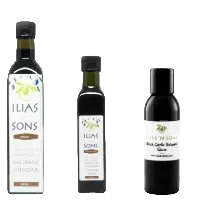

- Black Garlic Infused Extra Virgin Olive Oil - Low Fodmap
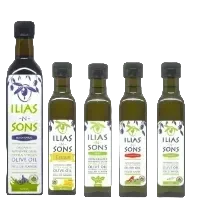
- Garlic Infused Extra Virgin Olive Oil
- Pizza Oil Cayenne Pepper Infused Extra Virgin Olive Oil
- Smoked Infused Extra Virgin Olive Oil
- Basil Infused Extra Virgin Olive Oil
- Rosemary Infused Extra Virgin Olive Oil
- Lemon Infused Extra Virgin Olive Oil
- Orange Infused Extra Virgin Olive Oil
- Black Truffle Extra Virgin Olive Oil
Authentic Greek Extra Virgin Olive Oil: Our CFIA Testing Story


When we first published this story in May 2019, olive oil authenticity was its central concern. Customers deserved to know whether the product in a bottle matched the description on its label. That question still matters today.
For Ilias and Sons, the story is personal. Our Greek family roots, the products we share and our responsibility as an importer all belong in the same conversation. We want to explain our experience with testing clearly, without turning a historical result into a claim broader than the evidence supports.
Our historical CFIA testing results
Our original account reported that the Canadian Food Inspection Agency rated the Ilias and Sons olive oil samples tested as satisfactory. We were proud of that result and of the work behind the products we supplied.
The finding relates to the samples and criteria assessed at that time. It is not a permanent certification of every bottle, an endorsement of all our products or a reason to describe the business as “CFIA Approved.”
Likewise, “satisfactory” and “not satisfactory” should not be translated automatically into “real” and “fake.” To understand a result, readers need the scope of the test, the sample identity and the reason for any failure.
Why we requested the wider records
After successfully completing the audit, we asked CFIA for the results. They were not shared through our initial request. We had to make a formal access-to-information request to obtain the records.
According to our account of those records, other samples failed testing. Our concern was not simply about our own result. We wanted more useful information for consumers about what was tested, what failed and what the findings meant.
We believe customers deserve clear explanations rather than having to piece together the picture themselves. Our frustration about disclosure does not, on its own, establish that no regulatory action took place. That requires the findings and follow-up records to be reviewed together.
Olive oil fraud and quality: different questions
Olive oil authenticity concerns can include substitution with another oil or misleading claims about origin. Separately, an oil may fail to meet the quality requirements of the grade printed on its label.
These findings should be distinguished. A quality failure alone does not identify an adulterant or establish deliberate fraud. Naming a producer or claiming a particular cause requires the relevant record and context.
Our guide to authentic extra virgin olive oil explores the importance of traceability and reliable information when choosing a bottle.
Read historical headlines in their proper context
The original version of this article referred to news coverage of poor European harvests, price increases and testing programmes. Those were historical reports, not descriptions of today's harvest or current market conditions.
We have removed time-sensitive predictions and numerical claims that were not sufficiently documented here. A proportion of failures among selected samples should not be presented as the proportion of all oils sold in Canada. A targeted investigation and a representative market survey are different things.
Transparent reporting should identify the date, sample count, selection process and criteria before drawing conclusions about the wider market.
Know your importer, know your source
Our family connection to Greece helps make the story behind our olive oils tangible. We want customers to understand the product's origin, the people supplying it and the information behind its claims.
Origin, organic status, extra virgin grade and phenolic content are distinct attributes. None should be treated as proof of all the others. Relevant records should be connected to the particular product or harvest they describe.
Our Know Your Source article also tells the story of our tasting collaboration with La Bottega and Edible Ottawa. That tasting was separate from CFIA testing. Sharing flavours with customers is valuable, but it does not replace laboratory assessment.
Explore our Greek extra virgin olive oils
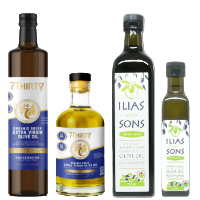
7Thirty high-phenolic organic Greek extra virgin olive oil offers bold, peppery early-harvest Koroneiki character from the Peloponnese. Our 7Thirty education page provides further context.
Gourmet Greek Organic Extra Virgin Olive Oil, Original Blend combines Athinolia and Koroneiki olives with a fruity, grassy profile and a milder peppery finish.
These product descriptions explain their identities and flavours. They do not imply that every current product or harvest was part of the historical CFIA sampling.
Find Ilias and Sons through our retail partners
Our partnerships with Misto Fine Foods, B&H Grocery and Foodsmiths help customers discover Ilias and Sons products through local retail. We value the connection these stores create between our products and their communities.
Visit Where to Find Us for the store locator, and check with each partner for current selection. Ottawa customers can also consult our Misto Fine Foods pickup page for current instructions.
Transparency should continue beyond a test result
Our satisfactory results were an important part of this historical story. Our ongoing responsibility is broader: answer questions, explain product claims and make the source understandable.
Choose a flavour you enjoy, ask about the bottle you are buying and distinguish product information from general marketing language. Authentic Greek extra virgin olive oil deserves a clear account of where it comes from and what the evidence actually says.
Leave a comment
Comments will be approved before showing up.