
Olive Oils & Balsamic
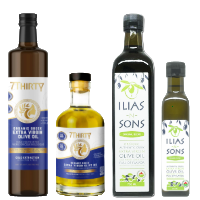

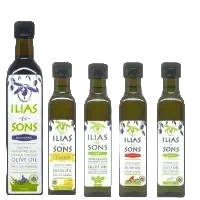

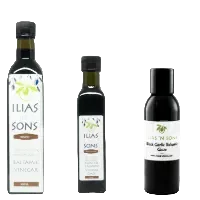

- Black Garlic Infused Extra Virgin Olive Oil - Low Fodmap
- Garlic Infused Extra Virgin Olive Oil
- Pizza Oil Cayenne Pepper Infused Extra Virgin Olive Oil
- Smoked Infused Extra Virgin Olive Oil
- Basil Infused Extra Virgin Olive Oil
- Rosemary Infused Extra Virgin Olive Oil
- Lemon Infused Extra Virgin Olive Oil
- Orange Infused Extra Virgin Olive Oil
- Black Truffle Extra Virgin Olive Oil
Greek Honey vs Manuka Honey: Which Is Better for Antioxidants and Phenolics?


Greek Honey vs. Manuka Honey: Which Offers More Antioxidants, Phenolics, and Real Health Benefits?
When people shop for premium honey, Manuka honey often tops the list. Its UMF (Unique Manuka Factor) rating and MGO (methylglyoxal) content have helped position it as a medicinal-grade honey known for antibacterial support.
But does that make Manuka the best choice for everyday wellness?
Recent research suggests the answer depends on what you want from your honey and points to a compelling alternative: Greek honey, especially darker, high-phenolic varieties.
Greek Honey vs. Manuka Honey: What Each Does Best
A fair comparison starts with understanding what each honey is known for.
Manuka honey
- High MGO levels
- Strong antibacterial properties
- Commonly used for therapeutic purposes
Greek honey
- High phenolic content
- Strong antioxidant activity
- Fits naturally within the Mediterranean diet
A 2024 peer-reviewed study found that some Greek honeys showed higher antioxidant activity than Manuka honey, even though Manuka is also rich in phenolics. The research analyzed nine Greek monofloral honey types, including oak, chestnut, fir, pine, erica, thyme, cotton, citrus, and Jerusalem thorn, and compared them with Manuka honey.
In the study, oak honey stood out with the highest total phenolic content at approximately 203.7 mg GAE/100 g and the highest antioxidant activity at approximately 106.2 mg AAE/100 g. Chestnut honey also performed strongly, while fir, pine, and erica honeys showed higher antioxidant activity than Manuka honey. Manuka honey had high phenolic content, but its total antioxidant activity was described as medium-low compared with several Greek honey types.
High-Phenolic Greek Honey: Standout Examples
In general, darker honeys, especially forest and honeydew varieties, tend to deliver stronger antioxidant activity. The study also found that darker honey colour and higher electrical conductivity were associated with stronger antioxidant potential. This supports what many traditional Greek producers have long understood: dark forest honeys are not only bold in flavour, but also naturally rich in beneficial compounds. :contentReference[oaicite:1]{index=1}
A great example is Attiki Dark Brown Forest Honey – Oak & Pine, a classic honeydew honey known for its deep colour and robust phenolic profile.
Another strong choice is Agiasmeno Wild Herb Honey, a rare, dark honey that matches the high-antioxidant profiles highlighted in research.
Looking for the closest match to the darker, antioxidant-rich honeys in the research? Start with our forest, fir, oak, and pine honeys.
Here’s a simplified, research-backed breakdown of how Greek honey compares in phenolic content and antioxidant activity:

Greek Honey for Daily Use
Manuka honey is often taken in small amounts for targeted use. Greek honey, on the other hand, fits easily into daily routines. It can be enjoyed in tea, yogurt, oatmeal, smoothies, salad dressings, marinades, or simply by the spoon.
Options such as Attiki Greek Honey – Unpasteurized offer a natural source of antioxidants, flavour, and everyday energy.
Key Functional Differences
- Manuka honey: best known for antibacterial support and high MGO, often used for specific needs
- Greek honey: best known for antioxidants and phenolics, ideal for daily wellness
For example, Agiasmeno Fir & Wild Herbs Honey combines varied floral sources with strong nutritional value.
The goal is not to say one honey is universally better than the other. Instead, the better question is: what benefit are you looking for? If you are focused on antibacterial properties and MGO content, Manuka honey has strong recognition. If you are focused on antioxidant activity, phenolic content, and daily Mediterranean-style nutrition, high-phenolic Greek honey deserves serious attention.
Lighter Honeys Still Offer Benefits
Dark honey isn't the only good option. Lighter Greek honeys can still provide natural benefits along with a more delicate taste.
Try Golden Selection Greek Thyme Honey or Theareston Blossom Pine Honey for excellent flavour and everyday enjoyment.
Raw and Wild Greek Honey Options
If you prefer minimally processed honey, Agiasmeno Agria Voltana Wild Raw Honey is a strong choice, known for traditional sourcing and quality.
Final Takeaway
Not all honey delivers the same benefits.
- Manuka honey stands out for antibacterial applications.
- Greek honey stands out for antioxidant activity and phenolic content.
If your priority is daily wellness, natural antioxidants, and long-term health support, Greek honey is a powerful and often overlooked option.
Shop Premium Greek Honey
Looking for high-phenolic, antioxidant-rich honey? Start with our darker forest and fir varieties.
Explore our collection of raw, unprocessed Greek honey sourced directly from Greece and aligned with the Mediterranean diet.
Shop Authentic Greek Honey Collection
Scientific Reference
Tananaki, C., Rodopoulou, M.-A., Dimou, M., Kanelis, D., & Liolios, V. (2024). The Total Phenolic Content and Antioxidant Activity of Nine Monofloral Honey Types. Applied Sciences, 14(10), 4329. https://doi.org/10.3390/app14104329
Leave a comment
Comments will be approved before showing up.