
Olive Oils & Balsamic
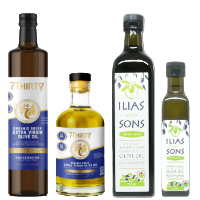

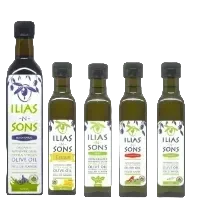

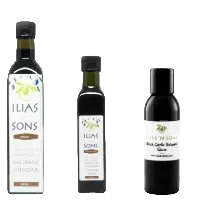

- Black Garlic Infused Extra Virgin Olive Oil - Low Fodmap
- Garlic Infused Extra Virgin Olive Oil
- Pizza Oil Cayenne Pepper Infused Extra Virgin Olive Oil
- Smoked Infused Extra Virgin Olive Oil
- Basil Infused Extra Virgin Olive Oil
- Rosemary Infused Extra Virgin Olive Oil
- Lemon Infused Extra Virgin Olive Oil
- Orange Infused Extra Virgin Olive Oil
- Black Truffle Extra Virgin Olive Oil
The Mediterranean Diet & Healthy Ageing: Greek Food, Olive Oil & Family


A Greek table offers a useful starting point for understanding the Mediterranean diet: vegetables, beans, olive oil, bread and meals enjoyed together. It is a pattern built through everyday habits, not a single ingredient promising a longer life.
At Ilias and Sons, that connection between food and family is personal. Our original article explored longevity and the Mediterranean diet. This updated guide keeps that theme while explaining what the research can tell us, how extra virgin olive oil fits and where to begin in your own kitchen.
What is the Mediterranean diet?
The Mediterranean diet describes a family of eating traditions rather than one fixed menu. Its familiar ingredients include vegetables, fruit, legumes, whole grains, nuts, olive oil and fish, with dairy and other animal foods varying across regions and households.
Think of a pattern you can return to: lentils simmering on the stove, seasonal vegetables, a tomato salad and olive oil bringing the meal together. It need not be an expensive spread or a strict set of imported ingredients.
For a broader introduction, explore our Mediterranean diet guide.
Does the Mediterranean diet support healthy ageing?
Research gives good reasons to take this dietary pattern seriously. However, healthy ageing involves more than food, and a study cannot predict an individual's lifespan.
Reports about long-lived Mediterranean communities are interesting cultural context. They do not isolate diet from genetics, activity, social circumstances or other influences, and should not become a claim that everyone following the diet will live to a particular age.
The telomere study: what it actually found
A study published in The BMJ in 2014 examined 4,676 disease-free women in the Nurses' Health Study. Greater adherence to a Mediterranean dietary pattern was associated with longer telomeres after adjustment for potential confounders.
Telomeres are protective structures at chromosome ends and are studied as biomarkers of ageing. This finding was an association, not proof that changing a diet lengthens telomeres or extends life. Telomere length is not a personal countdown clock.
The original version of our article described this as 2015 research and drew stronger conclusions than the study supported. The publication date and distinction between association and causation matter.
Read the 2014 Mediterranean diet and telomere study.
Heart-health trials add a different kind of evidence
PREDIMED: the revised 2018 report
The revised PREDIMED report involved 7,447 older adults at high cardiovascular risk. Major cardiovascular events were less frequent in groups assigned to Mediterranean diets supplemented with extra virgin olive oil or nuts than in the reduced-fat advice comparison group.
This was evidence about dietary interventions in a particular population, not a trial of our products or a guarantee of longevity. The revised report addressed allocation problems in the original publication.
Read the revised PREDIMED report.
CORDIOPREV: seven years of follow-up, published in 2022
In the CORDIOPREV trial, 1,002 people with established coronary heart disease were assigned to a Mediterranean diet or a low-fat diet. Over seven years, the primary cardiovascular outcome occurred in 87 participants in the Mediterranean diet group and 111 in the low-fat group.
The results favoured the Mediterranean pattern in this setting. The study was conducted at one centre and most participants were men, so its findings need that context.
Read the 2022 CORDIOPREV trial.
A 2025 review of virgin olive oil research
A systematic review published in Nutrients in 2025 identified 17 clinical studies examining virgin olive oil, including extra virgin olive oil, and cardiovascular health. It reported favourable findings involving cardiometabolic biomarkers and cardiovascular outcomes, while calling for larger, multicentre studies.
Together, these sources support continued study of Mediterranean eating and olive oil. They do not reduce a whole dietary pattern to one spoonful or establish identical effects for every bottle.
Read the 2025 cardiovascular review.
Why extra virgin olive oil belongs at the table
Olive oil is central to many Greek meals for a straightforward reason: it makes food enjoyable. It dresses salads, carries flavours through beans and vegetables, and brings richness to simple dishes.
Extra virgin olive oil also contains naturally occurring phenolic compounds that researchers investigate. The amounts and composition differ between oils and harvests. A general research finding does not verify the composition or health effect of a particular retail product.
Explore our introduction to olive oil polyphenols and polyphenol testing guide to understand the terminology and evidence.
Practical Greek meal ideas
- Make lentil or white bean soup with vegetables and finish with olive oil.
- Build a tomato, cucumber and herb salad with a simple olive oil dressing.
- Roast seasonal vegetables and serve them with beans or whole grains.
- Pair fish with greens, lemon and potatoes.
- Enjoy plain yogurt, fruit or a handful of nuts as part of a varied routine.
Start with one meal you already enjoy and add more vegetables or legumes. Familiar dishes and affordable staples make the pattern easier to maintain than a menu built around novelty.
Original Blend and 7Thirty in everyday cooking
Our Gourmet Organic Original Blend Greek Extra Virgin Olive Oil connects our Greek family story with everyday cooking, salads and finishing dishes.
For a bold early-harvest character, explore 7Thirty high-phenolic Greek extra virgin olive oil and our 7Thirty education page. Choose by flavour and intended use, and ask for harvest-specific evidence when considering a phenolic claim.
Neither product was tested in the studies discussed here. Their place in this article is as foods for your kitchen, not treatments or promises of a longer life.
Maria Giannakos: our family connection to the tradition
Maria Giannakos lived to 112, as recorded in our family's account. Her story is an important part of our connection to Greek food, olive oil and family life.
Her lifespan is a remarkable personal history, not proof that olive oil or one dietary habit caused her longevity. We honour that story without turning it into a scientific claim.
For us, shared meals are also about making time for the people around the table. That cultural meaning stands on its own, without needing a promise that every family meal changes a health outcome.
A sustainable habit, not a shortcut
The Mediterranean diet is most useful as a repeatable way of eating: varied meals, enjoyable ingredients and practical habits. Olive oil has a meaningful place within that pattern, but it does not replace the rest of it.
Begin with a meal rather than a longevity target. For more recent study summaries, explore our olive oil research update. Find local shopping options through Where to Find Us and check each retailer's current selection.
Leave a comment
Comments will be approved before showing up.