
Olive Oils & Balsamic


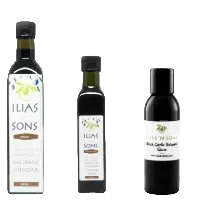

- Black Garlic Infused Extra Virgin Olive Oil - Low Fodmap
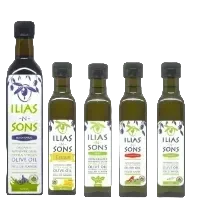
- Garlic Infused Extra Virgin Olive Oil
- Pizza Oil Cayenne Pepper Infused Extra Virgin Olive Oil
- Smoked Infused Extra Virgin Olive Oil
- Basil Infused Extra Virgin Olive Oil
- Rosemary Infused Extra Virgin Olive Oil
- Lemon Infused Extra Virgin Olive Oil
- Orange Infused Extra Virgin Olive Oil
- Black Truffle Extra Virgin Olive Oil
Olive Oil Polyphenols: What They Are & Why They Matter in EVOO


Olive oil polyphenols are part of what makes extra virgin olive oil scientifically interesting and distinctive at the table. But a high number on a label is only the beginning of the story. To understand high-phenolic Greek extra virgin olive oil, look at the compounds measured, the test used and the harvest represented.
At Ilias and Sons, our aim is to connect flavour, family tradition and clear product information. This introduction explains the terminology and points you towards deeper guides, evidence and the oils we enjoy in everyday meals.
What are polyphenols?
Polyphenols are a broad group of plant compounds discussed in food and nutrition research. In olive oil, “polyphenols” is commonly used as an umbrella term for a range of phenolic compounds, including phenolic alcohols and related secoiridoids. They are not vitamins, and a total-polyphenol result is not a complete nutritional analysis.
The important idea is diversity: a headline number can bring together several compounds rather than represent one substance. Our guide to the compounds behind olive oil polyphenol numbers explores that breakdown in more detail.
Key phenolic compounds in extra virgin olive oil
Hydroxytyrosol and tyrosol
Hydroxytyrosol and tyrosol are phenolic alcohols studied in olive oil science. Reports may show individual measurements and a separate combined figure that includes specified related compounds. Read those lines carefully: a grouped result is not the same as the amount of free hydroxytyrosol alone.
Oleocanthal and oleacein
Oleocanthal and oleacein are olive-derived phenolics investigated for biological activity. Oleocanthal is associated with the peppery throat sensation of some EVOOs. That helps describe the tasting experience, but it does not quantify the compound or establish a medical effect.
Related compounds and the wider profile
Oleuropein- and ligstroside-related forms, along with other phenolics, contribute to the wider chemical profile. Laboratories may use abbreviations or different reporting conventions. The certificate's method and footnotes are therefore part of the result, not small print to ignore.
What do olive oil polyphenols do?
Research examines antioxidant activity, inflammatory pathways and other biological mechanisms. Those findings are interesting, but evidence from isolated compounds, cell cultures or animal experiments cannot automatically be applied to an ordinary serving of bottled EVOO.
The older version of this article promised protection against cancer, diabetes and blood clots, along with relief for digestive problems. This guide does not make those promises for our products. A specific research finding, an authorised food health claim and a treatment recommendation are different things.
Read a scientific review of EVOO phenolics and the limits of translating experimental mechanisms into therapeutic claims. For our broader perspective, visit Health Facts.
The EU-authorised olive oil polyphenol health claim
Commission Regulation (EU) No 432/2012 includes this specific statement: “Olive oil polyphenols contribute to the protection of blood lipids from oxidative stress.”
The claim may be used only for olive oil containing at least 5 mg of hydroxytyrosol and its derivatives, such as the oleuropein complex and tyrosol, per 20 g of oil. Consumers must also be informed that the beneficial effect is obtained with a daily intake of 20 g of olive oil.
This does not authorise a general claim that olive oil prevents disease or is a medicine. A total-polyphenol figure alone is not the whole assessment; the relevant compounds, calculation and applicable conditions need to be checked.
Read the authorised wording and conditions directly in EU Regulation 432/2012.
How to read a high-phenolic olive oil result
Start with the sample identity, harvest or batch, analysis date, units and testing method. Then ask which compounds the reported total includes. Different methods and reporting conventions should not be assumed to produce directly interchangeable totals.
A concentration in mg/kg describes an amount relative to the oil's mass. A combined result per 20 g answers a serving-based question. Neither should be confused with an individual-compound measurement.
Our historical 2023 analysis and EU health-claim article provides a practical example. It identifies the certificate's labelled sample and distinguishes historical information from recent harvests.
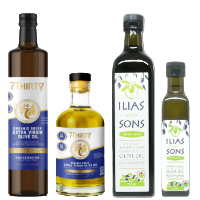
7Thirty: high-phenolic organic Greek EVOO
7Thirty high-phenolic organic Greek extra virgin olive oil is our early-harvest Koroneiki oil from the Peloponnese, with a bold, peppery character.
The earlier version of this post referred to a historical result of 730 without sufficient context. Recent 7Thirty harvests have surpassed 900 mg/kg total polyphenols, but that should not be treated as a guarantee for every bottle, season or storage condition. Request the report corresponding to the relevant harvest or batch.
Explore our 7Thirty education page for more about the product. High-phenolic positioning should invite informed questions, not replace them.
Original Blend: a different expression of Greek olive oil
Our Gourmet Greek Organic Extra Virgin Olive Oil, Original Blend combines Athinolia and Koroneiki olives. Its fruity, grassy profile and milder peppery finish make it a versatile choice for everyday meals.
Original Blend has its own identity and product information. We do not assign 7Thirty's harvest figures to it or assume that two oils from the same family have identical phenolic profiles. Choose the flavour you enjoy and review evidence relevant to that oil.
Polyphenols belong in a varied food pattern
Plant foods discussed as sources of polyphenols include fruit, vegetables, grains, nuts, legumes, tea and coffee. EVOO offers another way to bring plant-derived phenolic compounds into meals, but it does not replace the other foods on your plate.
For our family, Greek olive oil belongs alongside vegetables, bread, salads and freshly prepared dressings. Our tribute to Yia Yia Maria Giannakos shares the personal meaning of that food tradition without treating one person's life as clinical evidence.
Care for the oil after you choose it
Keep your bottle closed between uses and store it away from light and heat, following its label. A laboratory result relates to a tested sample at a particular time; it is not a promise that handling never matters.
Read our dark vs clear olive oil bottle and storage guide for practical advice. If you are still comparing producers, our guide to choosing authentic Greek EVOO explains why origin, traceability and packaging need to be considered separately.
The takeaway: understand the number, enjoy the food
Olive oil polyphenols deserve a clear explanation—not an exaggerated promise. Look beyond a headline total, check the relevant analysis and distinguish research from the exact authorised health claim.
Whether you prefer the robust character of 7Thirty or the Athinolia–Koroneiki balance of Original Blend, choose Greek extra virgin olive oil you understand and enjoy. Good information and good food belong together.
Leave a comment
Comments will be approved before showing up.