
Olive Oils & Balsamic


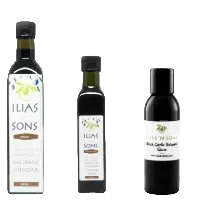

- Black Garlic Infused Extra Virgin Olive Oil - Low Fodmap
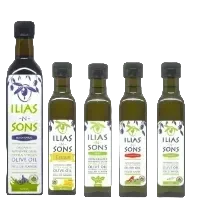
- Garlic Infused Extra Virgin Olive Oil
- Pizza Oil Cayenne Pepper Infused Extra Virgin Olive Oil
- Smoked Infused Extra Virgin Olive Oil
- Basil Infused Extra Virgin Olive Oil
- Rosemary Infused Extra Virgin Olive Oil
- Lemon Infused Extra Virgin Olive Oil
- Orange Infused Extra Virgin Olive Oil
- Black Truffle Extra Virgin Olive Oil
The Mediterranean Diet: Research, Everyday Meals & Greek Olive Oil


The Mediterranean diet brings together enjoyable food, flexible habits and a substantial body of nutrition research. It is not a guarantee of a long life or a rule that every meal must be perfect. Its appeal is that a varied, plant-forward eating pattern can become part of everyday living.
At Ilias and Sons, that idea connects naturally with our Greek family food traditions. Extra virgin olive oil belongs alongside vegetables, fruit, grains, legumes, nuts and shared meals—not in place of the rest of the plate.
What is the Mediterranean diet?
The Mediterranean diet draws on traditional eating patterns in countries around the Mediterranean Sea, including Greece, Italy and Spain. There is no single menu followed by everyone. Regional dishes differ, but many patterns emphasise plant foods and olive oil, with fish and other foods included according to preference and local tradition.
It is better understood as a way of eating than as a strict weight-loss programme. Food variety, portion choices and individual needs still matter. Nor do you need to live beside the Mediterranean to enjoy the approach.
EUFIC's Mediterranean diet guide explains the food pattern and its social aspects, including communal meals and physical activity. Seasonal and local choices can be useful, but off-season produce and convenient ingredients are not automatically excluded.
What does Mediterranean diet research show?
PREDIMED: cardiovascular outcomes in people at higher risk
The revised 2018 PREDIMED report studied 7,447 adults in Spain, aged 55 to 80, who had high cardiovascular risk but no cardiovascular disease at enrolment. It compared a Mediterranean diet supplemented with extra virgin olive oil, a Mediterranean diet supplemented with nuts, and advice to reduce dietary fat.
After a median follow-up of 4.8 years, the reported incidence of major cardiovascular events was lower in the two Mediterranean-diet groups. The adjusted hazard ratio was 0.69 for the olive-oil group and 0.72 for the nut group, compared with the control group.
These are relative time-to-event measures, not a promise that an individual's risk will fall by the same amount. The revised report also addressed randomisation problems in the earlier publication. It is important to link to the corrected analysis and understand the study population.
Virgin olive oil and cardiovascular research
A 2025 systematic review covering 17 human clinical studies discussed cardiovascular findings associated with virgin olive oil consumption, including EVOO. The authors also called for further clinical research to clarify its effects.
This supports an evidence-led discussion of olive oil in the diet. It does not show that our products were tested in those studies or that purchasing a particular bottle prevents illness.
Read the systematic review of extra virgin olive oil and cardiovascular health.
Keep the whole pattern in view
Diet studies examine combinations of foods, education and habits. Their results should not be reduced to “olive oil does everything.” Observational associations with longevity or other outcomes also do not prove that a single ingredient caused the result.
The older version of this article promised protection from Parkinson's disease, cancer, diabetes and other conditions. Those claims have been replaced with study-specific discussion. A Mediterranean-style diet does not replace medical care or make cardiovascular risk negligible.
How to start with Mediterranean-style meals
Begin with meals you already enjoy. Add vegetables to a familiar dish, use beans or lentils where they fit, choose grains and fruit you like, and include nuts or seeds according to your dietary needs. Fish can be part of the pattern for people who eat it.
Build a salad with vegetables and beans, or serve a vegetable dish alongside bread and another food you enjoy. For a simple dressing, combine extra virgin olive oil with lemon juice or vinegar and season to taste. The aim is a sustainable routine, not a dramatic overhaul.
Olive oil and nuts are energy-dense foods, so amounts still belong within your needs. There is no universal portion plan in this article. Alcohol is not required; adopting this eating pattern is not a reason to start drinking wine.
Greek extra virgin olive oil at the table
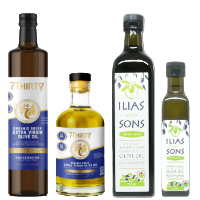
Our Gourmet Greek Organic Extra Virgin Olive Oil, Original Blend combines Athinolia and Koroneiki olives. Its fruity, grassy profile and milder peppery finish make it a versatile companion for dressings, vegetables, pasta and everyday cooking.
7Thirty high-phenolic organic Greek extra virgin olive oil offers a bolder, peppery Koroneiki character from the Peloponnese. Try it as a finishing drizzle when you want the oil's flavour to be part of the dish.
Choose by flavour and relevant product information. Neither oil is a stand-alone Mediterranean diet, and the studies above did not test 7Thirty or Original Blend.
Polyphenols: learn what the numbers mean
Olive oil phenolics are a reason to explore EVOO's chemistry, but a headline total is not a complete health assessment. Compounds, testing methods, sample identity and harvest context matter.
Our introduction to olive oil polyphenols explains the terminology and links to the precise EU-authorised claim. For more product context, visit our 7Thirty education page.
Family meals and a Greek way of life
Enjoying food together is part of the meaning of this tradition. It can be a shared meal, preparing a dish with a family member or simply setting aside time to enjoy what you have cooked. Physical activity is another aspect discussed in Mediterranean lifestyle guidance, adapted to each person's circumstances.
Our Yia Yia Maria Giannakos lived to 112. Her story is precious to our family, but it is not clinical proof that olive oil or one diet explains longevity. Read the tribute to Maria and our family food traditions for that personal perspective.
A practical, evidence-led takeaway
The Mediterranean diet's value is better explained through food patterns and research than through a “best diet” ranking from one year. Choose enjoyable meals, keep the overall balance in view and seek individual advice when health conditions or dietary restrictions require it.
Explore our Health Facts page for more of our perspective, and use the linked research and EUFIC guide to continue learning. Good food, clear evidence and everyday habits belong in the same conversation.
Leave a comment
Comments will be approved before showing up.