
Olive Oils & Balsamic
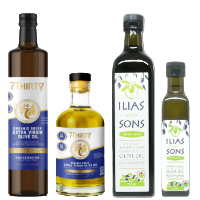

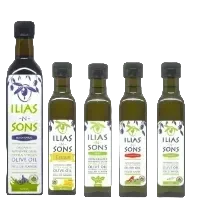

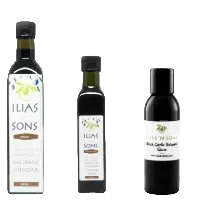

- Black Garlic Infused Extra Virgin Olive Oil - Low Fodmap
- Garlic Infused Extra Virgin Olive Oil
- Pizza Oil Cayenne Pepper Infused Extra Virgin Olive Oil
- Smoked Infused Extra Virgin Olive Oil
- Basil Infused Extra Virgin Olive Oil
- Rosemary Infused Extra Virgin Olive Oil
- Lemon Infused Extra Virgin Olive Oil
- Orange Infused Extra Virgin Olive Oil
- Black Truffle Extra Virgin Olive Oil
Olive Oil for Hair & Skin: Shine, Tradition & Practical Care


Olive oil has a place in Mediterranean beauty traditions as well as the kitchen. Its rich texture makes it an appealing ingredient to explore, but tradition and a pleasant feel are not the same as proof of a treatment benefit.
This guide revisits our original hair-and-skin article with practical care ideas and clearer research context. Culinary olive oil, a finished lip balm, soap and a formulated moisturiser are different products, and guidance for one should not automatically be applied to the others.
Olive oil for hair: start lightly
If you enjoy oil-based hair care, a small pre-shampoo application is one way to experiment with the feel of olive oil on your hair. Begin with a few drops on the lengths and ends rather than saturating your hair or scalp.
Wash it out with a shampoo suited to your hair, and assess whether you like the result. Fine hair may feel weighed down by a heavy application. Avoid adding more if you experience irritation or find the residue difficult to remove.
This is a cosmetic experiment, not a promise of stronger hair, repaired split ends or regrowth. There is no need to replace a conditioner that already works for you merely because its ingredients are manufactured.
Does olive oil treat dandruff or hair loss?
Our original article claimed that olive oil could clear dandruff and outperform leading hair-loss products. Those claims were not substantiated for ordinary culinary EVOO.
A study involving an isolated compound is not evidence that applying a retail olive oil produces the same result. Persistent scalp irritation, flaking or hair loss deserves appropriate professional assessment rather than a kitchen-oil treatment.
Olive oil on skin: what the research found
A small mechanistic study involving 19 adult volunteers examined repeated applications of olive oil and sunflower seed oil. Olive oil applied over several weeks reduced skin-barrier integrity and caused mild redness under the study conditions.
This was a small study of particular application routines, not an assessment of every skincare product containing an olive-derived ingredient. It is nevertheless an important reason not to assume that pure olive oil is automatically gentle for dry, sensitive or eczema-prone skin.
For sensitive skin, a moisturiser formulated for that purpose may be a better starting point than culinary oil. Stop using a product that causes irritation, and seek advice for persistent symptoms.
Everyday skin care with EVOO: keep it simple
If your skin already tolerates plain olive oil and you enjoy its feel, keep any cosmetic use small and occasional rather than making it a heavy all-over routine. Try a tiny amount on a small area of intact skin first; a comfortable first application does not guarantee ongoing tolerance.
Hands and cuticles
For a simple grooming ritual, massage a drop of plain, uninfused EVOO around intact cuticles or onto a small area on the backs of your hands. Use just enough for a light finish, wipe away excess and stop if you notice redness, itching or discomfort.
This is an optional cosmetic use, not a treatment for dermatitis or split skin. If repeated handwashing leaves your hands dry, a suitable hand cream is a more useful starting point than relying on culinary oil alone.
Small areas of intact body skin
If you choose to experiment, test a small amount on an intact area rather than applying it widely to very dry, inflamed or broken skin. Do not assume that a richer oily feel means the skin barrier has improved.
Avoid using oil as a remedy for open cracks, persistent rashes or infant skin. For those needs, choose appropriate care with professional guidance.
Use plain oil, not culinary infusions
Our flavoured oils are made for food. Do not use cayenne, Carolina Reaper, garlic, citrus or other culinary infusions as skin-care products. For any cosmetic experiment with EVOO, keep it plain and uninfused, away from your eyes and off damaged skin.
Olive oil lip balm: an everyday option
A lip balm is a more practical format for lip care than a kitchen-oil scrub. Our range offers two options:
Purely Natural Olive Oil & Beeswax Lip Balm
Our Purely Natural Olive Oil & Beeswax Lip Balm lists two ingredients: premium organic Greek extra virgin olive oil and natural beeswax. It is a straightforward choice for customers who prefer that ingredient combination.
Apply to lips according to the product directions when they feel dry. This is a finished balm, not the pure oil used in the skin-barrier study, so that study cannot establish how this formula performs. Simple ingredients also do not guarantee tolerance for everyone.
Olive Lip Balm — Roll Stick
Our Olive Lip Balm — Roll Stick uses our premium organic extra virgin olive oil in a convenient lip-care format. Follow its directions and check the product information when choosing between formats.
Stop using either balm if irritation develops. Avoid treating cracked, bleeding or persistently sore lips with a harsh scrub, and seek advice if the problem continues.
Lips, makeup and cracked heels: skip the harsh shortcuts
We have removed the original sugar-and-lemon lip scrub, aggressive pumice routine and promises that oil will heal cracked skin. Do not scrub damaged skin or treat an open crack as a cosmetic problem to cover with kitchen oil.
For eye makeup, choose a remover intended for that area and keep culinary oil out of your eyes. A product designed for the task is a more useful starting point than assuming that “natural” means universally suitable.
Baths and celebrity beauty stories
A celebrity anecdote is not evidence that an olive oil bath restores youthful skin. Adding oil can also leave slippery surfaces. Our updated guide does not recommend the original bath recipe as a skin treatment.
Olive oil soap is not the same as pure oil
Soap-making changes oil through saponification. The finished cleanser has different properties from its starting ingredient, and traditional soap is alkaline rather than naturally low in pH.
DermNet explains that soap can irritate sensitive skin and that soap-free cleansers can be formulated closer to skin's natural pH. A simple ingredient list is appealing, but it does not guarantee tolerance.
Explore our Unscented Liquid Castile Olive Oil Soap, Lavender Liquid Castile Olive Oil Soap or I+S Naturals Unscented bar, checking each product's directions and your own response.
Read our olive oil soap guide and DermNet's guide to soaps and cleansers for further context.
Enjoy the tradition with realistic expectations
Olive oil does not have to promise eternal youth to be worth appreciating. Its food heritage, versatility and role in Greek family traditions stand on their own.
For the kitchen, explore our Gourmet Organic Original Blend Greek EVOO. For beauty routines, choose according to the finished product and your needs, not the dietary reputation of the ingredient.
Our related topical olive oil guide offers more context. Visit Where to Find Us for local shopping options.
Leave a comment
Comments will be approved before showing up.