November 09, 2026 4 min read
A new olive harvest brings a new expression of the land, the season and the work behind every bottle. For our Greek family business, that connection matters as much as the numbers. The 7Thirty harvest featured here has a reported polyphenol concentration of 846 mg/kg, a specific result worth understanding alongside its origin, flavour and corresponding laboratory information.
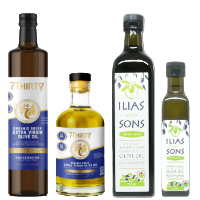
Made from Koroneiki olives, 7Thirty organic Greek extra virgin olive oil is our choice for people who enjoy bold character and a distinctive finishing drizzle. Here is what this harvest’s result means, how to compare it thoughtfully and how to bring the oil to your table.
The unit mg/kg means milligrams per kilogram of oil. The reported figure describes the concentration measured for the harvest discussed here. It is not a daily serving recommendation, and it should not be applied automatically to previous harvests, future harvests or every bottle available during a stock transition.
Olive oil contains a range of phenolic compounds. Some contribute to the bitterness and peppery sensation associated with robust extra virgin olive oil. The laboratory method and the compounds included in the calculation help explain what a reported total represents.
For the information behind the number, read Inside 7Thirty’s New Harvest Lab Report. When reviewing an analysis, look for the sample or lot identification, laboratory, analysis date, method and units. A single total is most useful when those details travel with it.
The reported 846 mg/kg result is above an 800 mg/kg numerical benchmark. If you are comparing high-phenolic olive oils, it gives you a specific starting point rather than a vague promise of “high antioxidants.”
For a meaningful comparison, check that reports use compatible methods and measure comparable compounds. Different analytical approaches can produce totals that should not be ranked as though they were interchangeable.
Organic certification, extra virgin grade and phenolic concentration also describe different aspects of an oil. A phenolic total does not establish organic status or extra virgin grade on its own. Our guide to choosing high-phenolic olive oil in Canada explores the broader buying questions.
7Thirty connects our Greek olive oil heritage with kitchens in Canada and beyond. Its early-harvest identity and Koroneiki character are part of that story, but the finished oil should be understood harvest by harvest.
Growing conditions, harvest timing, milling and storage all influence an agricultural product. That is why we prefer to talk about the particular oil and its accompanying information rather than promise an identical number every year.
Discover more about the journey in From Greek Grove to Canadian Table.
Interest in olive oil goes beyond flavour. Research has examined extra virgin olive oil within Mediterranean-style eating patterns, alongside vegetables, legumes, whole grains, nuts and other everyday foods.
The revised PREDIMED trial report studied Mediterranean dietary interventions in adults at high cardiovascular risk, including one supplemented with extra virgin olive oil. It supports discussing the overall eating pattern, not promising that one brand or a particular phenolic number will reproduce the study’s results.
The practical takeaway is to choose an oil you enjoy and use it in satisfying meals. The 846 mg/kg figure is a compositional result, not a clinical trial of this 7Thirty harvest or a guarantee of a health outcome. Explore our olive oil Health Hub for more research context.
Our preference is to reserve 7Thirty for uncooked use and finishing, where its peppery character can be appreciated. Everyday ingredients make an excellent starting point:
There is no need to build a complicated ritual around it. Start with food you already enjoy and let the oil bring its own character.
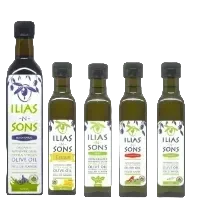
From our Greek roots to your table, 7Thirty is reaching olive oil lovers well beyond Ottawa and Québec. Shop through our Ilias and Sons website in Canada and the United States, or find us on Amazon Canada and Amazon US. Availability now also extends to the UK and Europe.
Check the shopping channel serving your destination for available bottle options, delivery details and the harvest or lot being offered. Availability can differ by destination and channel; this article’s reported 846 mg/kg result should be matched to the corresponding harvest rather than assumed to apply to every listing.
No. This article discusses a particular harvest’s reported result. Check the corresponding harvest and lot rather than assuming the figure applies to all stock.
There is no permanent winner across every brand, batch and harvest. Compare current, relevant analyses using compatible methods instead of relying on an undated ranking.
No. Sensory character can help you appreciate an oil, but it cannot replace the corresponding laboratory analysis or establish an exact mg/kg figure.
Keep it tightly closed in a cool, dark cupboard away from the stove and direct sunlight. Choose a bottle size that suits your household’s use, and avoid leaving it open on the table between meals.
Continue with the laboratory-report guide and the grove-to-table story, or explore 7Thirty and check current harvest availability. The goal is simple: understand the oil you are choosing, then enjoy it at your table.
Comments will be approved before showing up.