
Olive Oils & Balsamic
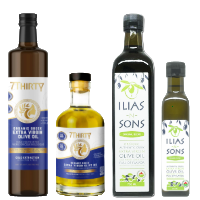

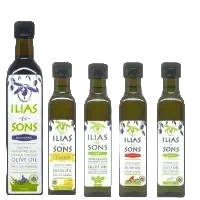

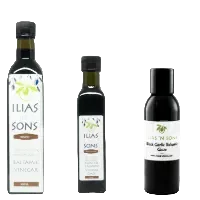

- Black Garlic Infused Extra Virgin Olive Oil - Low Fodmap
- Garlic Infused Extra Virgin Olive Oil
- Pizza Oil Cayenne Pepper Infused Extra Virgin Olive Oil
- Smoked Infused Extra Virgin Olive Oil
- Basil Infused Extra Virgin Olive Oil
- Rosemary Infused Extra Virgin Olive Oil
- Lemon Infused Extra Virgin Olive Oil
- Orange Infused Extra Virgin Olive Oil
- Black Truffle Extra Virgin Olive Oil
Why Olive Oil Dispensaries Are Failing Consumers


An olive oil dispensary can offer an inviting tasting experience. But a row of stainless-steel tanks does not tell you everything you need to know about the oil inside. If you are looking for high-phenolic Greek extra virgin olive oil, look beyond the display and ask about the producer, harvest, storage and available testing.
At Ilias and Sons in Ottawa, our approach comes from five generations of family olive-oil craftsmanship in Greece. We believe good olive oil deserves clear information, not vague promises. That philosophy is at the heart of 7Thirty, our high-phenolic organic Greek extra virgin olive oil.
What is an olive oil dispensary?
An olive oil dispensary is a specialty shop where oils are commonly offered from dispensing containers, often alongside tasting samples and flavoured varieties. This format can help shoppers explore flavour. The important question is whether the retailer can also explain where each oil comes from and how its quality is protected.
The dispensing format alone does not establish that an oil is good or bad. Transparency, freshness and careful handling matter more than the appearance of the store.
High-phenolic olive oil: ask for evidence, not adjectives
“Premium,” “robust” and “high phenolic” should invite questions, not end the conversation. If phenolic content is part of an oil's positioning, ask to see the laboratory report associated with the oil being sold.
Check the sample date, batch identification, units and testing method. A number without that context is difficult to interpret, and a result from an earlier harvest should not be presented as proof of the current batch.
A bold, bitter or peppery flavour can be part of the tasting experience, but taste is not a substitute for laboratory measurement. Nor should a phenolic figure be turned into a promise of a particular health outcome.
Five questions to ask before buying extra virgin olive oil
1. Who produced this oil, and where?
Look for a named producer and a specific origin. Greek extra virgin olive oil, like oil from any producing country, should be evaluated on its own traceability and quality rather than on national stereotypes.
2. When were the olives harvested?
Ask for the harvest season as well as the best-before date. These answer different questions. A clear harvest reference gives you more context than a broad claim that the oil is “fresh.”
3. How is the oil stored and dispensed?
Ask how the retailer manages light, heat, air exposure and stock turnover. Understanding how an oil is handled is more useful than assuming that either a tank or a bottle guarantees freshness.
4. Is testing available for this batch?
If you are specifically shopping for high-phenolic extra virgin olive oil, request the relevant documentation. Ask the seller to explain what the report measures and whether it applies to the oil you will take home.
5. Is this plain EVOO or a flavoured oil?
Flavoured oils can have a place in the kitchen. They are simply a different buying decision from selecting a plain extra virgin olive oil for its origin, harvest and phenolic profile. Choose according to your purpose, and ask about the base oil and added ingredients.
Our position: Greek olive oil with a clear story
Ilias and Sons brings a family connection to olive oil from the Peloponnese, Greece, to customers in Ottawa and beyond. Our priorities are quality, flavour, freshness and an honest conversation about what you are buying.
7Thirty is our hero expression of that approach: an organic, early-harvest Koroneiki Greek extra virgin olive oil with a bold, peppery character and high-phenolic positioning. Rather than relying on a tasting-room display or superfood slogans, we encourage shoppers to ask about the available harvest and supporting product information.
We do not believe every dispensary should be dismissed. We believe every olive oil seller, including us, should welcome informed questions. The standard should be the same wherever you shop: a clear origin, careful handling and claims supported by relevant evidence.
Choosing olive oil for your everyday ritual
Whether you enjoy olive oil with bread, finish vegetables with it or make it part of your daily food routine, choose a bottle you understand and genuinely enjoy. Start with the producer and harvest, consider the flavour, and ask for documentation when phenolic content matters to your decision.
Explore 7Thirty high-phenolic organic Greek extra virgin olive oil and learn more about the family craftsmanship behind Ilias and Sons. Good olive oil should leave you with more understanding, not more unanswered questions.
Leave a comment
Comments will be approved before showing up.