
Olive Oils & Balsamic


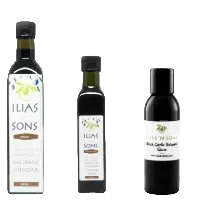

- Black Garlic Infused Extra Virgin Olive Oil - Low Fodmap
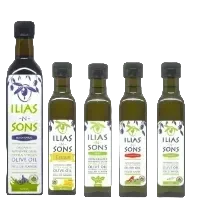
- Garlic Infused Extra Virgin Olive Oil
- Pizza Oil Cayenne Pepper Infused Extra Virgin Olive Oil
- Smoked Infused Extra Virgin Olive Oil
- Basil Infused Extra Virgin Olive Oil
- Rosemary Infused Extra Virgin Olive Oil
- Lemon Infused Extra Virgin Olive Oil
- Orange Infused Extra Virgin Olive Oil
- Black Truffle Extra Virgin Olive Oil
Olive Oil, the Mediterranean Diet & Breast Cancer Research


Research into the Mediterranean diet and breast cancer has drawn attention to extra virgin olive oil. The findings are worth exploring, but they need more context than a headline promising protection from cancer.
Olive oil is a food, not a breast cancer treatment. No bottle can guarantee prevention, and dietary choices do not replace screening, assessment or prescribed care. If you have concerns about breast cancer or nutrition during treatment, speak with your healthcare team.
Why researchers examine Mediterranean eating
The Mediterranean diet is a pattern of eating, not one ingredient. Studies examine combinations of foods and habits, so their results should not automatically be attributed to olive oil alone.
At Ilias and Sons, Greek extra virgin olive oil belongs to our family food traditions. We value research, but our products should not be presented as having been tested in studies that did not include them.
The 2015 PREDIMED breast cancer analysis
A 2015 report examined invasive breast cancer incidence among women in the PREDIMED trial. The analysis included 4,152 women without a previous history of breast cancer, drawn from a Spanish study of older adults at high cardiovascular risk.
The dietary groups followed a Mediterranean diet supplemented with extra virgin olive oil, a Mediterranean diet supplemented with nuts, or advice to reduce dietary fat. After a median follow-up of 4.8 years, researchers identified 35 confirmed breast cancer cases.
The EVOO-supplemented group had a lower reported incidence than the comparison group. Its adjusted hazard ratio was 0.32, with a 95% confidence interval of 0.13 to 0.79. This is a relative time-to-event estimate, not a promise that an individual's risk will fall by 68%.
Breast cancer was a secondary outcome, and the authors explicitly cautioned that the small number of cases required confirmation in larger, longer studies. The parent PREDIMED trial also later reported allocation deviations, making careful reading of the trial history important.
Read the 2015 PREDIMED breast cancer report and the revised 2018 report on the parent trial's cardiovascular outcome.
The 2017 Netherlands cohort study
A separate study examined Mediterranean-diet adherence and postmenopausal breast cancer using the Netherlands Cohort Study. At enrolment, 62,573 women aged 55 to 69 provided dietary and lifestyle information; cancer incidence was followed through registry records.
Higher adherence was associated with lower incidence of estrogen-receptor-negative, or ER-negative, breast cancer. The reported hazard ratio for high versus low adherence was 0.60, with a 95% confidence interval of 0.39 to 0.93.
The study did not find a statistically significant association with total breast cancer or ER-positive breast cancer in its cohort analysis. It examined a dietary pattern, not supplementation with a specific retail oil. As an observational study, it also cannot establish that the diet caused the difference.
Read the cohort study and meta-analysis of Mediterranean-diet adherence and breast cancer.
What these findings do—and do not—mean
The studies give researchers reasons to investigate further. They do not establish that adding a spoonful of EVOO prevents breast cancer, that high-phenolic oil stops recurrence or that olive oil can replace treatment.
The original version of this article repeated different percentage reductions from coverage of the same PREDIMED analysis. Those should not be presented as separate confirming trials. It also described a recurrence report without sufficient primary-source detail; that claim has been removed.
Breast cancer has multiple contributing factors, and a diagnosis is not evidence that someone made poor food choices. A food brand should explain research without creating false reassurance or blame.
Olive oil phenolics are a separate research question
Compounds such as oleocanthal, hydroxytyrosol and tyrosol attract scientific interest. However, findings about isolated compounds or cells in a laboratory do not establish cancer prevention from eating a particular oil.
Our olive oil polyphenols guide explains the terminology. The EU-authorised claim about protection of blood lipids from oxidative stress is not an authorised breast cancer prevention claim.
Greek EVOO in everyday Mediterranean meals
For practical food ideas, think beyond a supplement routine. Use olive oil in a vegetable dressing, a bean dish or a meal you already enjoy, adapting ingredients and portions to your needs.
Our Mediterranean diet guide offers broader meal and research context. People receiving cancer treatment should seek individual nutrition advice rather than follow a generic food plan.
Choose by flavour, not a cancer-prevention promise
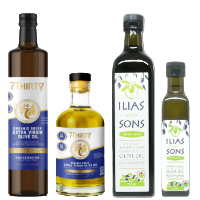
7Thirty high-phenolic organic Greek extra virgin olive oil offers bold, peppery early-harvest Koroneiki character. Gourmet Greek Organic Extra Virgin Olive Oil, Original Blend combines Athinolia and Koroneiki olives with a fruity, grassy profile and a milder peppery finish.
These descriptions are about culinary products. Neither oil was tested in the studies discussed here, and neither is offered as a cancer treatment or guaranteed preventive measure.
A clear, evidence-led takeaway
Mediterranean dietary patterns and olive oil remain subjects of breast cancer research. The evidence discussed here is specific to the studies, populations and outcomes reported—not a universal promise of protection.
Leave a comment
Comments will be approved before showing up.