
Olive Oils & Balsamic




- Black Garlic Infused Extra Virgin Olive Oil - Low Fodmap
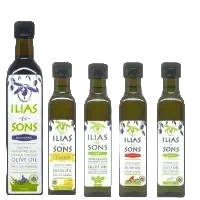
- Garlic Infused Extra Virgin Olive Oil
- Pizza Oil Cayenne Pepper Infused Extra Virgin Olive Oil
- Smoked Infused Extra Virgin Olive Oil
- Basil Infused Extra Virgin Olive Oil
- Rosemary Infused Extra Virgin Olive Oil
- Lemon Infused Extra Virgin Olive Oil
- Orange Infused Extra Virgin Olive Oil
- Black Truffle Extra Virgin Olive Oil
Olive Oil for Hair and Skin: Topical Uses, Tradition & Practical Care


Olive oil has a place in beauty traditions as well as Mediterranean kitchens. Stories about olive-oil baths, hair treatments and celebrity routines have helped keep that interest alive. But a tradition, a personal anecdote and a proven skin treatment are different things.
This guide explores topical uses of olive oil with practical expectations. Extra virgin olive oil's flavour and role in food are well worth celebrating; applying it to hair or skin needs its own considerations.
From traditional care to modern beauty routines
Our original article collected celebrity stories about olive oil. Those stories can be entertaining, but they do not establish that a routine is effective, that it suits sensitive skin or that olive oil explains someone's youthful appearance.
The broader history is more enduring than any celebrity trend. Read our history of olive oil and Mediterranean tradition for the cultural background.
Olive oil for hair: a cosmetic use, not a growth treatment
Some people use a small amount of olive oil on their hair lengths or ends as an occasional conditioning step. Think of this as a personal cosmetic experiment, not a proven treatment for hair loss, dandruff or scalp disease.
If you choose to try it, keep the first application small and limited to a few hair ends. Avoid the scalp if it is irritated or you have a scalp condition. Wash the oil out with your usual shampoo and judge whether you actually like the result. There is no universal amount or treatment time that suits every hair type.
Oil can leave hair feeling heavy or greasy, particularly when too much is used. More is not necessarily better. A formulated conditioner is a straightforward alternative if an oil treatment does not suit you.
Do not heat the oil for application, apply it around the eyes or assume it offers heat protection when styling. Stop if irritation occurs.
Olive oil on skin: why the answer is more cautious
An oil can feel smooth on application without improving the skin barrier over time. That distinction matters when considering olive oil as a daily moisturiser.
A small study involving 19 adult volunteers examined repeated olive-oil application to the forearm. After four weeks, the researchers reported reduced integrity of the outer skin barrier and mild redness. They cautioned against olive oil for dry-skin treatment and infant massage.
Read the study: Effect of olive and sunflower seed oil on the adult skin barrier.
This study does not answer every question about every oil or occasional application. It does, however, mean we should not describe olive oil as universally soothing, recommend it for eczema or promise that it repairs damaged skin.
What about hands, cuticles and cracked heels?
Olive oil appears in home-care routines for cuticles and feet, but that is not proof that it strengthens nails or heals cracks. Dry hands and heels need suitable skin care; painful, bleeding or persistent cracks need assessment rather than an overnight kitchen-oil remedy.
We do not recommend using olive oil on broken, infected or inflamed skin. For everyday dryness, choose a moisturiser formulated for your needs and ask a pharmacist or dermatologist when symptoms persist.
Facial use, makeup removal and acne
Kitchen olive oil is not a formulated facial cleanser or acne treatment. We have removed the original claim that it prevents acne or reliably calms allergy-prone skin.
If you want an oil-based cleansing routine, a cosmetic product designed for that purpose has its own instructions and intended use. Do not put olive oil into the eyes or rely on it to treat a rash, infection or persistent facial irritation.
Baths and massage: tradition does not settle suitability
Adding olive oil to a bath is sometimes described as a beauty ritual. It is not a demonstrated anti-ageing treatment, and oil can make the bath or shower surface slippery. We do not recommend it as a routine remedy for dry skin.
Olive oil is also not our recommendation for baby massage. Infant skin deserves age-appropriate guidance, and the skin-barrier findings above are a reason for caution rather than experimentation.
If you choose an occasional topical experiment
Use a small amount on a limited area first, and do not assume that “natural” means allergy-free. A home spot test cannot guarantee safety or predict the effects of repeated use. Stop if you notice itching, burning, redness or another reaction.
Avoid fragranced or infused culinary oils for topical experimentation. Keep oil away from eyes, wounds and irritated skin. Do not mix it with lemon juice, harsh scrubs or essential oils in an attempt to make a skin treatment.
Olive oil does not replace sunscreen, prescribed treatment or a suitable moisturiser. Food-grade labelling also does not establish that a product has been tested as a cosmetic.
Does high-phenolic olive oil make a better skin treatment?
Not necessarily. Laboratory analysis of an edible oil's phenolic profile does not establish its safety or effectiveness on skin. Dietary health claims should not be repurposed as topical promises.
Learn about the compounds and testing context in our olive oil polyphenols guide. Our Health Facts page and Mediterranean diet guide provide further food and nutrition context.
Our Greek EVOO belongs first at the table
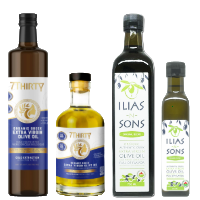
7Thirty high-phenolic organic Greek extra virgin olive oil offers bold, peppery Koroneiki character. Our Gourmet Greek Organic Extra Virgin Olive Oil, Original Blend offers a fruity, grassy profile with a milder peppery finish.
These are culinary oils, not products we present as tested skin treatments. Enjoy their flavour in meals, explore their Greek heritage and evaluate beauty uses separately from nutritional benefits.
Olive oil's tradition is rich enough to celebrate honestly. For topical use, the best approach is modest expectations, attention to your own skin and hair, and no promise that one ingredient does everything.
Leave a comment
Comments will be approved before showing up.