
Olive Oils & Balsamic
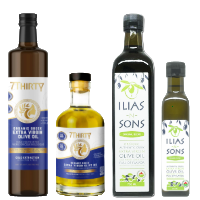

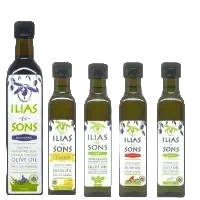

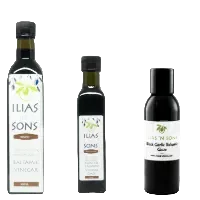

- Black Garlic Infused Extra Virgin Olive Oil - Low Fodmap
- Garlic Infused Extra Virgin Olive Oil
- Pizza Oil Cayenne Pepper Infused Extra Virgin Olive Oil
- Smoked Infused Extra Virgin Olive Oil
- Basil Infused Extra Virgin Olive Oil
- Rosemary Infused Extra Virgin Olive Oil
- Lemon Infused Extra Virgin Olive Oil
- Orange Infused Extra Virgin Olive Oil
- Black Truffle Extra Virgin Olive Oil
Greek Honey vs Manuka Honey: Which Is Better for Your Health? (2026 Guide)

If you've ever stood in a health food store comparing a jar of New Zealand Manuka honey to a pot of Greek honey, you're not alone. Both command premium prices and bold health claims — but which one actually delivers? And which is worth your money in Canada?
This guide breaks down the science, the taste, and the value so you can make an informed choice.
What Is Manuka Honey?
Manuka honey is produced in New Zealand and parts of Australia from the nectar of the Leptospermum scoparium (Manuka) bush. It's best known for its high concentration of methylglyoxal (MGO), a compound linked to antibacterial activity. Manuka is graded by its UMF (Unique Manuka Factor) or MGO rating — the higher the number, the more potent the antibacterial properties.
It has a strong, slightly medicinal flavour and a thick, dark consistency. Premium Manuka (UMF 20+) can cost $80–$150+ CAD for a small jar.
What Is Greek Honey?
Greece is one of the world's oldest and most celebrated honey-producing regions. Greek honey is prized for its extraordinary botanical diversity — bees forage across wild thyme, pine forests, wildflowers, and oak trees in some of the most pristine, unpolluted landscapes in Europe.
Two distinct styles stand out:
- Thyme & Wildflower Honey — light, aromatic, floral, with a clean sweetness. Rich in antioxidants and polyphenols from wild thyme.
- Forest Honey (Honeydew) — darker, less sweet, with a complex, almost malty depth. Produced from the secretions of insects on oak and pine trees rather than flower nectar. Exceptionally high in minerals, oligosaccharides, and prebiotic compounds.
Greek honey is unpasteurized, raw, and naturally crystallizes over time — a sign of purity and high pollen content.
Greek Honey vs Manuka Honey: Head-to-Head
| Greek Honey | Manuka Honey | |
|---|---|---|
| Origin | Greece (EU-certified) | New Zealand / Australia |
| Key compounds | Polyphenols, antioxidants, enzymes, minerals | Methylglyoxal (MGO), hydrogen peroxide |
| Antibacterial activity | Moderate to high (thyme honey especially) | Very high (at UMF 15+) |
| Antioxidant content | Very high (especially forest/honeydew) | Moderate |
| Prebiotic properties | High (forest honey oligosaccharides) | Moderate |
| Flavour | Complex, aromatic, versatile | Strong, medicinal, distinctive |
| Culinary use | Excellent — drizzle, bake, pair with cheese | Limited — best used therapeutically |
| Price (CAD) | $15–$35 for 500g | $60–$150+ for 250g |
| Adulteration risk | Low (EU-regulated, traceable) | Higher (widespread fraud documented) |
The Adulteration Problem with Manuka
Here's something most Manuka marketing won't tell you: independent testing has repeatedly found that the volume of Manuka honey sold globally far exceeds what New Zealand actually produces. A 2018 investigation found that up to 80% of products labelled as Manuka honey may be adulterated or mislabelled.
Greek honey, by contrast, is produced within the EU's strict Protected Designation of Origin (PDO) framework. Attiki honey, for example, has been produced and trusted in Greece since 1928 — nearly a century of consistent quality.
When Manuka Honey Makes Sense
Manuka honey does have a legitimate edge in one specific area: topical wound care and clinical antibacterial applications. Medical-grade Manuka (UMF 18+) is used in some hospital settings for wound dressings. If that's your primary use case, it's worth the investment.
For everyday wellness, gut health, culinary use, and general antioxidant support, however, Greek honey offers comparable or superior benefits at a fraction of the cost.
Which Greek Honey Should You Choose?
Not all Greek honey is the same. Here's a quick guide:
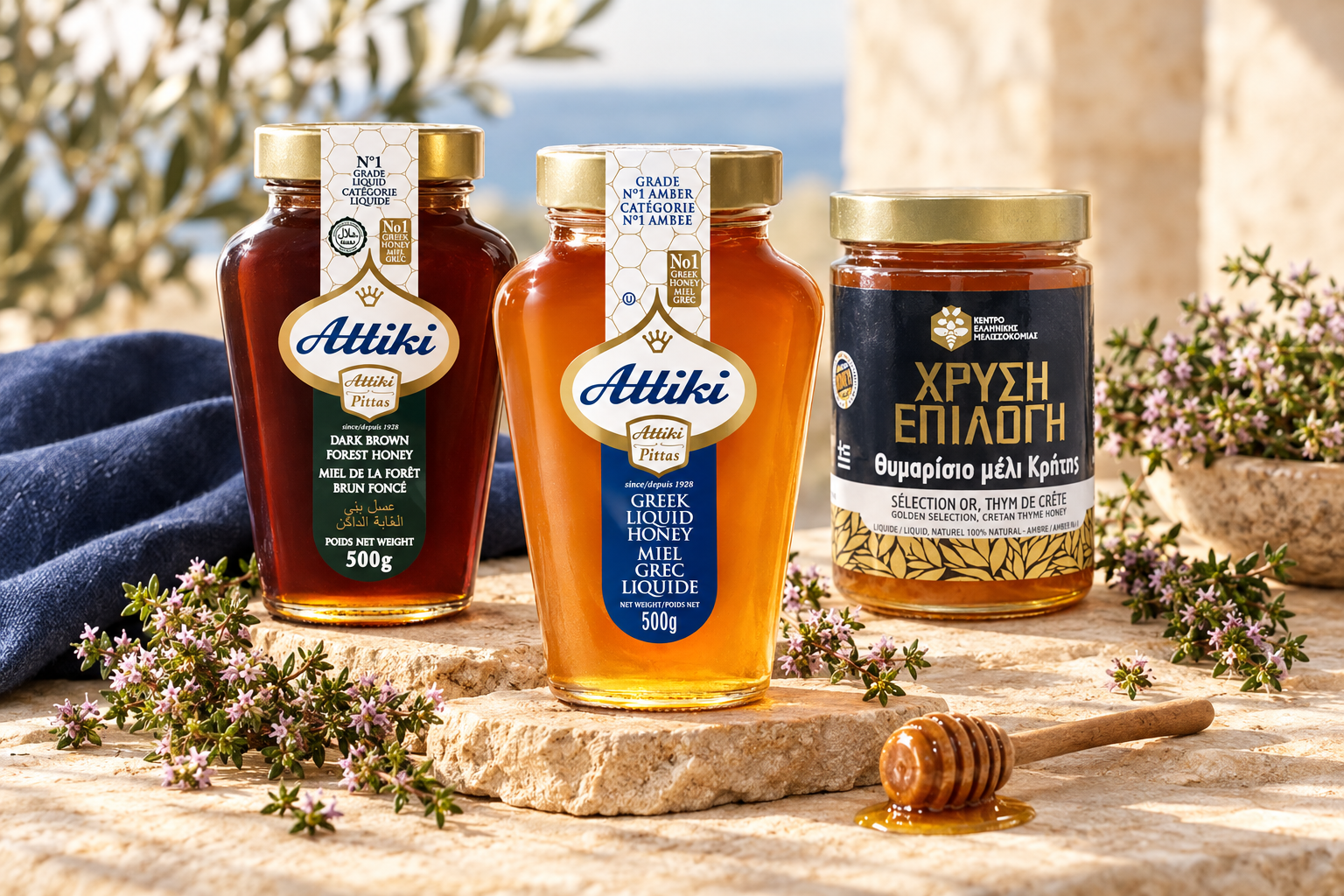
- For everyday use and gifting: Attiki Greek Honey — Greece's most iconic honey brand, raw and unpasteurized, with a beautifully balanced floral flavour. Perfect for yogurt, tea, cheese boards, and baking.
- For gut health and mineral richness: Attiki Dark Forest Honey — a honeydew honey from oak and pine, lower in sugar, higher in minerals and prebiotic oligosaccharides. A sophisticated, complex flavour that pairs beautifully with aged cheeses and dark breads.
- For exploring thyme honey: Golden Selection Greek Thyme Honey — a Cretan thyme honey to try alongside your everyday Greek honey.
Prefer to buy a pair? Explore the Attiki Greek Honey 2 Pack or the Attiki Dark Forest Honey 2 Pack.
Pairing Greek Honey with High-Phenolic Olive Oil
One of the most powerful wellness combinations in the Mediterranean diet is raw Greek honey paired with high-phenolic extra virgin olive oil. Both are rich in polyphenols and antioxidants, and together they form the cornerstone of what researchers increasingly call the "Mediterranean longevity diet."
A simple morning ritual: one teaspoon of raw Greek honey with one tablespoon of fresh-harvest high-phenolic EVOO. Both ingredients should be raw and unprocessed to preserve their bioactive compounds.
The Bottom Line
Manuka honey is a legitimate wellness product with a specific, well-documented strength: topical antibacterial applications. But for everyday health, culinary versatility, antioxidant richness, and honest value, authentic Greek honey — especially raw thyme honey and forest honeydew — is the smarter choice.
And at a fraction of the price, you can actually use it every day rather than rationing it like liquid gold.
Ready to try the real thing? Choose Attiki Greek Honey, Attiki Dark Forest Honey, or Golden Selection Greek Thyme Honey, shipped across Canada.
Leave a comment
Comments will be approved before showing up.