
Olive Oils & Balsamic
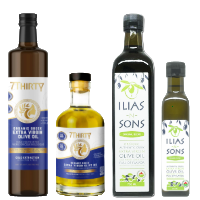

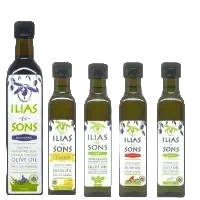

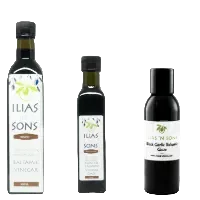

- Black Garlic Infused Extra Virgin Olive Oil - Low Fodmap
- Garlic Infused Extra Virgin Olive Oil
- Pizza Oil Cayenne Pepper Infused Extra Virgin Olive Oil
- Smoked Infused Extra Virgin Olive Oil
- Basil Infused Extra Virgin Olive Oil
- Rosemary Infused Extra Virgin Olive Oil
- Lemon Infused Extra Virgin Olive Oil
- Orange Infused Extra Virgin Olive Oil
- Black Truffle Extra Virgin Olive Oil
Olive Oil Authenticity in Canada: 33% of Targeted CFIA Samples Failed


When you buy extra virgin olive oil, how do you know you are getting what the label describes? A useful answer connects the bottle with its source, appropriate testing and clear product information.
In its Food Fraud Annual Report for 2024–2025, the Canadian Food Inspection Agency reported 28 unsatisfactory olive oil samples out of 85 tested through targeted inspectorate sampling, or 33%. These were higher-risk, targeted samples, not a representative survey of all olive oil sold in Canada. The finding does not mean one in three Canadian bottles is fake.
The report also states that CFIA prevented 7,245 litres of adulterated olive oil from being sold in Canada during the reporting period. There is a real reason to ask about authenticity, but the denominator and sampling method belong beside the headline.
Source: CFIA Food Fraud Annual Report 2024–2025.
What the CFIA findings show
The reporting period ran from April 1, 2024, to March 31, 2025. Olive oil had the lowest satisfactory rate among the food categories in the report's targeted authenticity sampling.
CFIA distinguishes targeted inspectorate sampling from marketplace monitoring. Targeted sampling focuses on higher-risk areas using factors such as previous non-compliance, unusual trading patterns and gaps in preventive controls.
| Reporting period | Olive oil samples assessed | Unsatisfactory |
|---|---|---|
| 2022–2023 | 66 | 11 (17%) |
| 2023–2024 | 92 | 22 (24%) |
| 2024–2025 | 85 | 28 (33%) |
These figures describe separate annual programmes. CFIA warns that its sampling approach changes, so the percentages should not be used to claim that fraud across the Canadian market rose from 17% to 33%. Better targeting can also increase the proportion of failures detected.
Read the 2022–2023 report and 2023–2024 report alongside the current findings.
Enforcement and consumer information
The 2024–2025 report documents enforcement, including the olive oil prevented from sale. Across its food-fraud activities, CFIA describes measures such as removal from Canada, destruction or relabelling, along with notices and other follow-up.
That matters when discussing transparency. Frustration with access to information is not evidence that no enforcement happened. At the same time, consumers benefit from clearer explanations of what failed, why it failed and which records support the finding.
What does “fake olive oil” mean?
The phrase is often used broadly, but different claims need different evidence.
Adulteration and product identity
Adulteration can involve an oil inconsistent with the identity declared on the label. Laboratory analysis examines composition and other markers. A published unsatisfactory result should be read with its criteria and findings rather than automatically attributed to a particular adulterant or deliberate act.
Extra virgin grade
Extra virgin olive oil is a quality category, not simply a country-of-origin description. Authenticity and grade assessment are related but separate questions; an oil can come from olives without meeting every extra virgin requirement.
Origin and traceability
Attractive Mediterranean packaging is not proof of where olives were grown or oil was produced. Look for information the supplier can explain and connect with the actual product.
High-phenolic claims
A phenolic measurement concerns compounds measured in a sample. It does not, by itself, establish every aspect of purity, extra virgin quality or a health outcome. Missing evidence is a reason to ask questions, not automatic proof of fraud.
Our Original Blend: a separate historical account
Our family's historical account describes a satisfactory CFIA result for an Original Blend Organic Greek Extra Virgin Olive Oil sample in 2019. This is separate from the annual sampling figures above and should remain a dated, sample-specific account.
It is not CFIA certification of the brand, every harvest, 7Thirty or today's inventory. The original correspondence and laboratory documentation are the appropriate sources for the exact sample, dates, methods and assessment.
Our historical CFIA testing story explains that distinction. We have also described requesting access to the wider records; those historical records should not be conflated with the newer annual reports.
How testing answers different questions
CFIA's 2023–2024 report describes gas chromatography to assess sterol and fatty acid profiles, together with stigmastadiene content, in its olive oil sampling programme. Its listed sample types included extra virgin, virgin and oils composed of refined and extra virgin olive oils.
This is another reason not to label the entire annual sample group “extra virgin olive oil.” The assessment and the product category both matter.
Ask whether a report addresses authenticity, grade, phenolics or another characteristic. Do not assume every analytical test was performed on your bottle or that a single number answers every quality question.
How to assess a high-phenolic olive oil claim
Start with six details: product and lot, laboratory, test date, method, compounds and units. Check how the sample relates to the current harvest and stock.
Different methods and definitions of a reported total can make headline numbers difficult to compare. Ask the laboratory or supplier to explain the reporting basis rather than ranking unlike measurements as if they were identical.
Read Polyphenols, Testing, and Trust and our introduction to olive oil polyphenols for further context.
The EU claim is specific, not a universal high-phenolic definition
The EU-authorised wording is: “Olive oil polyphenols contribute to the protection of blood lipids from oxidative stress.” Its conditions require at least 5 mg of hydroxytyrosol and its derivatives per 20 g of oil, and information that the beneficial effect is obtained with a daily intake of 20 g.
A general total-phenolics measurement is not automatically equivalent to that specified group. The EU provision is also not, by itself, authorisation for the same advertising claim in Canada. It should not be stretched into a promise to prevent or treat disease.
Read Regulation (EU) No. 432/2012 and its olive oil polyphenol entry.
Our Greek olive oils and the evidence behind the label
Gourmet Greek Organic Extra Virgin Olive Oil, Original Blend combines Athinolia and Koroneiki olives, with a fruity, grassy profile and a milder peppery finish.
7Thirty high-phenolic organic Greek extra virgin olive oil offers bold, peppery early-harvest Koroneiki character. Its product and harvest information should be considered separately from the 2019 Original Blend account. Explore our 7Thirty education page for more context.
Our family heritage helps explain the people behind the products. A particular composition or testing claim still needs evidence linked to the oil it describes.
Questions to ask before choosing a bottle
- Can the supplier explain the origin and product identity?
- Which lot or harvest does the evidence cover?
- Who performed the analysis, and when?
- What method, compounds and units does the report specify?
- Does the test address the actual claim on the label?
- How was the oil stored, and how should you care for it?
Our authentic EVOO buying guide and olive oil storage guide explore these practical questions.
Know the people supplying your olive oil
Our Edible Ottawa tasting story connects flavour with the people behind the oil. That collaboration was separate from CFIA testing.
We also value our retail partnerships with Misto Fine Foods, B&H Grocery and Foodsmiths. Visit Where to Find Us for the retail network and check current selection with each store.
A stronger claim deserves clearer evidence
Not every oil is fraudulent, and not every failure establishes deliberate deception. What customers deserve is information that fits the claim: clear source details, meaningful analysis and accurate interpretation.
Explore Original Blend and 7Thirty, ask about the evidence for the oil you are considering and choose with a clearer understanding of what the records can show.
Leave a comment
Comments will be approved before showing up.